
In the Beginning was the Word
John 1.1-14
These words of John’s prologue will ring out across the Christian world in Midnight Masses and Christmas Day services. Universally acknowledged as beautiful poetry, and famous for their colossal sweep of human history and philosophy they are amongst the most cherished words in the bible.
Whilst the synoptic gospels focus on the very human birth narratives, albeit interspersed with angelic appearances, John zooms out from the animal smells of the stable to the cosmic implications of events.
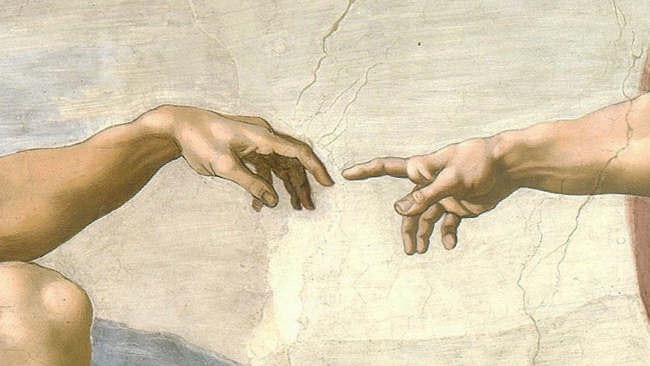
He carefully reframes the two accounts of creation found in the Old Testament (well three if you count the two different versions in Genesis); that in the Garden of Eden, and that of Woman Wisdom in Proverbs 8. Jesus is cast as the correction and fulfilment of both humanity and wisdom; word (logos) made flesh.
The danger of this philosophical turn is that it presents a creator God who is far removed from the blood, sweat and tears of humanity, not to mention childbirth; one which those who believe fleshiness is a lower form of existence still admire and aspire to. Yet John is clearly saying that God (not the bearded white bloke on a cloud who appears so often as jealous and vengeful in the Old Testament, but the source, essence and pattern of existence itself) reached down to earth and entered into human nature. And in the sense that poetry and myth often reveal deeper truths than reason and proof, this is what happened.
There are of course lots of things to unpack about interpretations of John, not least references to the Son of God, which do not in their original form relate to either trinitarian theology or the exclusivity of salvation later implied.
But putting the power plays and politics that followed (and still follow) aside for a moment. Every baby represents the hope of a new beginning, however desperate the situation. The Christ-child represents the ultimate new beginning. Alleluia. Amen.